
A Behind-the-Scenes Look at Commercial Composting
When our truck pulls away from your loading dock with bins full of organic material, that’s just the beginning of the journey. Many of our clients are curious about what happens next. Where does it all go? How do food scraps, yard trimmings, and other organic materials turn into rich, usable compost, soil, and mulch? Understanding the commercial composting process helps explain why professional composting is so different from tossing things in a landfill.
More Than Just Food Scraps
When people think of composting, they often picture banana peels and coffee grounds. But commercial composting handles a much wider range of materials. The rule of thumb is simple: if it was once living, it can likely be composted.
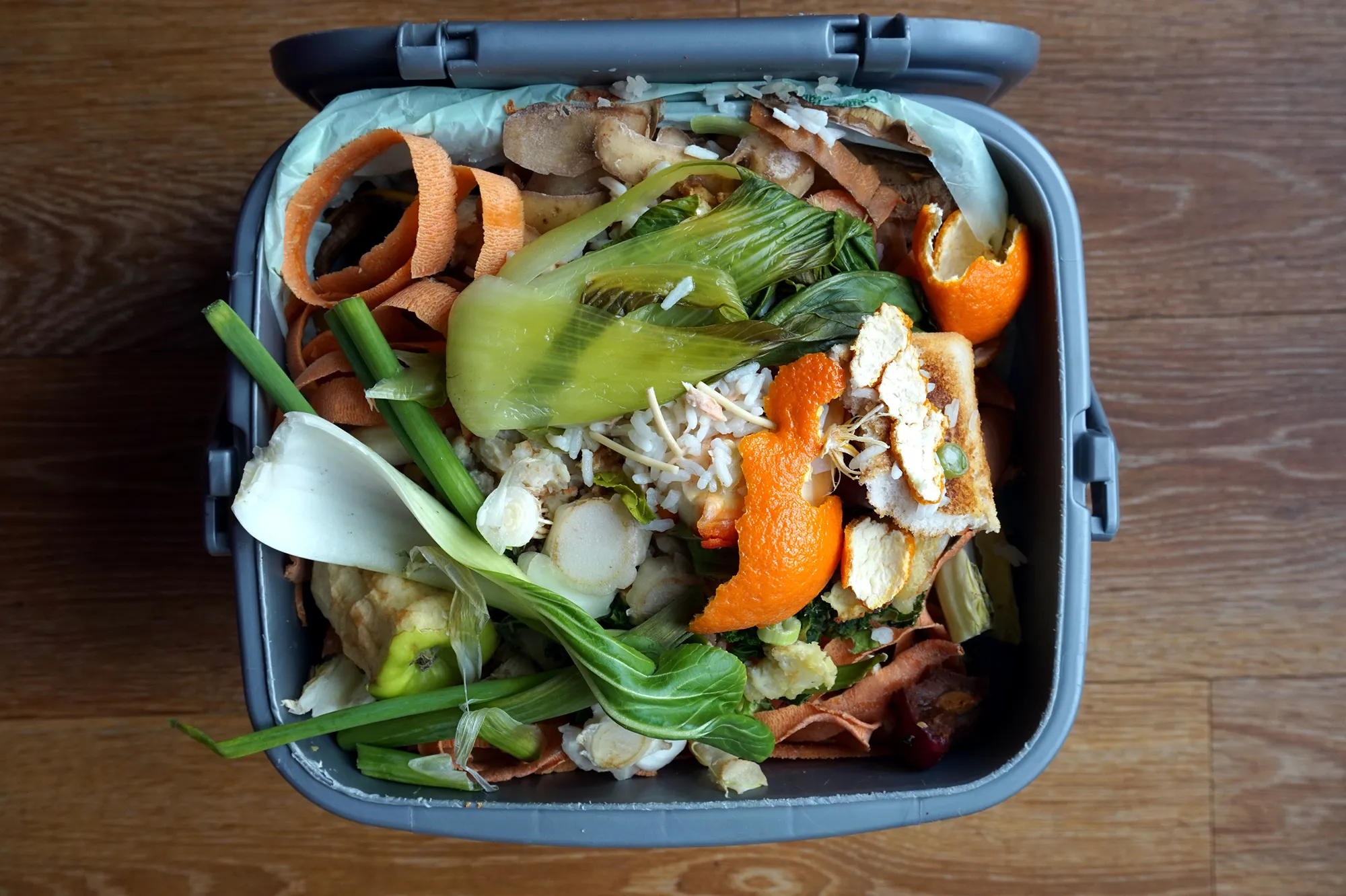
Food scrap is certainly part of the mix, including fruit and vegetable peels, meat, dairy, bread, and plate scrapings. But we also process yard waste like grass clippings, leaves, and brush. Paper products, cardboard, and even natural fiber textiles can go into the pile. Spent brewing grains, tea leaves, floral trimmings and select agricultural residuals all find their way to our facility.
This diversity of inputs is one of the advantages of commercial composting. A homeowner might struggle with meat or dairy in a backyard pile, but our controlled process handles these materials safely and efficiently. For businesses generating a wide variety of organic streams, that flexibility makes participation much simpler.
From Pickup to Processing
After collection, your organics travel to our composting facility in Ashland City. Unlike a landfill where far too much of our organics get buried and thus wasted, our facility is designed specifically to manage decomposition in a controlled, efficient way.
When materials are collected, they’re weighed and logged. This tracking allows us to provide clients with accurate diversion reports showing exactly how much they’ve diverted from landfills. For businesses working toward sustainability goals or reporting on environmental metrics, this data is invaluable. It can also demonstrate that on a per-ton basis, composting can be even cheaper than trash.
The Science of Decomposition
Composting is essentially managed decomposition. The same process that breaks down leaves on a forest floor happens at our facility, just faster and more efficiently. The secret is creating the right conditions for beneficial microorganisms to thrive.
The composting process relies on a careful balance of four elements: carbon, nitrogen, moisture, and oxygen. Carbon comes from materials like wood chips, leaves, cardboard, and woody debris. Nitrogen comes from food scraps, grass clippings, coffee grounds, and green waste. Getting the ratio right is both science and art. As we’re fond of saying, “It’s a lot like baking. Get the ratios right before it goes in the oven.”
Once materials are properly mixed, they form large piles called windrows. Inside these piles, microbial activity generates heat. Temperatures climb to between 131 and 180 degrees Fahrenheit, which is hot enough to kill weed seeds, pathogens, and harmful bacteria. This high-heat phase is critical for producing safe, stable compost.
The Transformation Timeline
From raw materials to mature products, the process takes several months The active decomposition phase typically runs approximately four weeks, depending on the materials and conditions. During this time, recognizable organic waste breaks down into a dark, crumbly material that looks nothing like what went in.
After active composting, the material enters a curing phase. This slower period allows the compost to stabilize and mature. We don’t want to rush this step, as this is where we produce compost that’s that’s ready to nourish soil without any risk to roots or seeds. Finished compost will stay warm in big piles, but airs out quickly and cools off once bagged or delivered in smaller quantities. If a pile arrives hot, give it some time to cool before planting. Spread into thin layers or installed into smaller beds, compost will cool down quickly and be ready for planting.
The final step is screening. We run the finished compost through equipment that removes any remaining debris and produces a consistent texture. The result is a premium soil amendment ready for gardens, farms, landscaping projects, and commercial applications.
Why This Matters for Your Business
Understanding the journey your organic waste takes helps illustrate why composting is so much more valuable than landfill disposal. In a landfill, organic waste gets buried under layers of trash where it decomposes anaerobically. This slow, oxygen-starved breakdown produces methane, a greenhouse gas far more potent than carbon dioxide. The nutrients in that waste are lost forever, trapped under tons of garbage.
Composting flips that equation. What could be considered waste becomes a resource instead of a problem. The finished compost returns to local farms, gardens, and landscapes where it improves soil health, reduces the need for chemical fertilizers, and helps grow the next generation of food. It’s a closed loop that benefits everyone.
For your business, this means your sustainability efforts have real, measurable impact. You’re not just diverting material from landfills. You’re contributing to a system that regenerates soil and supports local agriculture. That’s a story worth telling your customers, employees, and stakeholders.
See It for Yourself
We believe in transparency, which is why we welcome clients and community members to visit our facility and see the composting process firsthand. There’s something powerful about seeing how a pile of organic material can transform into rich, earthy compost. It makes the impact of your participation tangible in a way that numbers on a report never can.
Ready to Join the Loop?
The Compost Company makes it easy for Nashville, Clarksville and Franklin-area businesses (Coming soon to Murfreesboro!!) to participate in this cycle of renewal. From convenient pickup schedules to detailed diversion reporting, we handle the logistics so you can focus on running your business. Contact us today for a free consultation and learn how you can become part of something bigger by turning trash into treasure.
Organics are just one part of the story. Support the Waste to Jobs Act to help Tennessee recover billions of dollars in recyclable resources, create jobs, and reduce trash!
